
Everything I learned About Gardening, I learned From My Chickens
Yes, chickens can teach you more than just about eggs

This piece is a big departure from my usual fare. But it needs to be said:
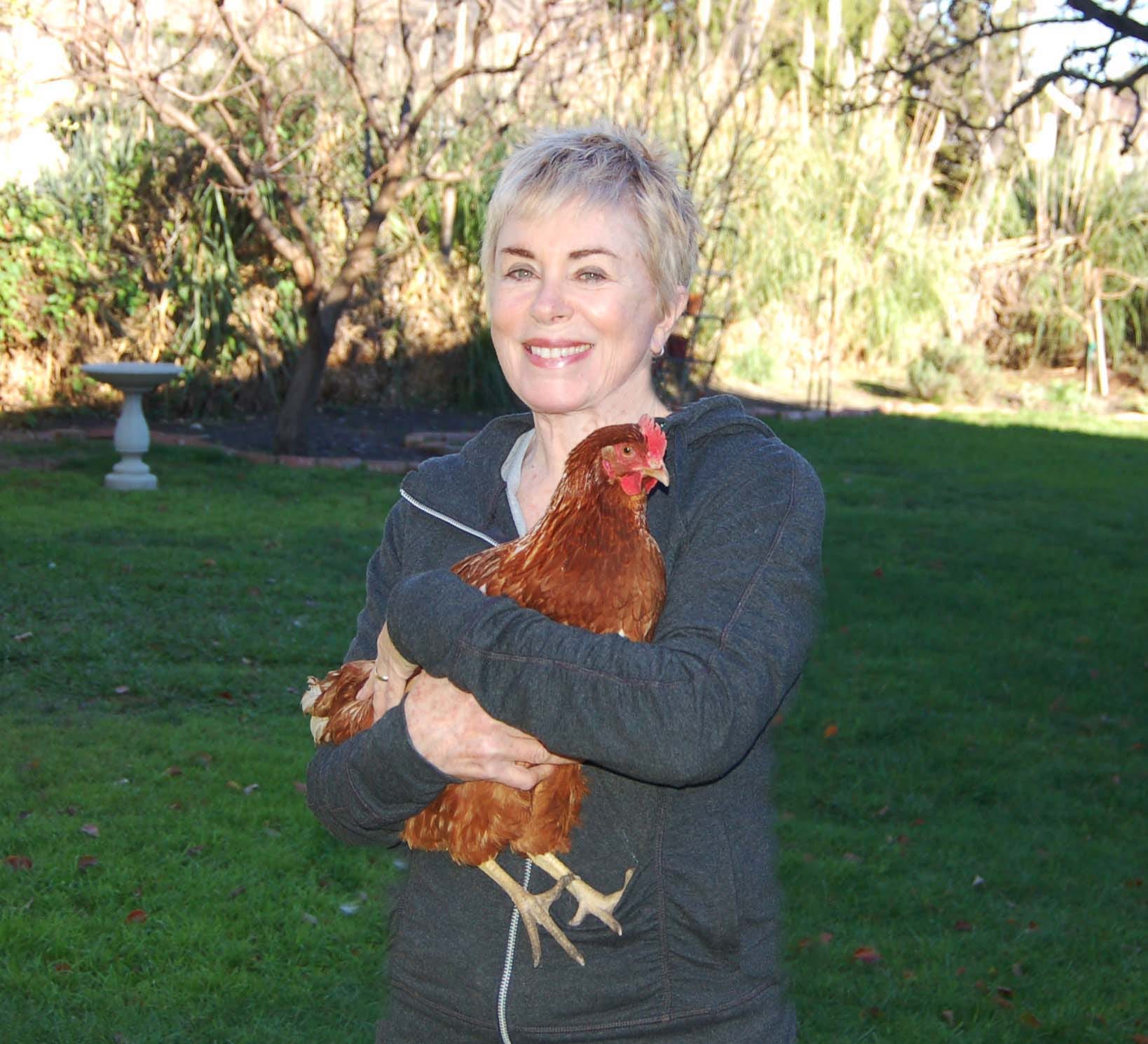
What I learned about my garden I learned from my chickens.
I began with three hens and a patch of untidy soil. The birds scratched and pecked, turning compost into tilled earth, exposing grubs I had never seen. Where I once fretted over perfect rows, the chickens made a mess that, in time, produced better growth.
When people ask me how I learned to keep a garden and manage fruit trees, I tell them honestly, “The hens showed me where the soil was tired,” I’d say.
“They dug down to the good parts and left the rest alone.” I learned to read their work: shallow, frantic scratching meant hungry soil; steady, deliberate scratching meant life beneath the surface.
Pests stopped being an abstract worry. Seeing a beetle carried off in a beak taught me which insects were problematic and which were part of a healthy ecosystem. The birds ate fallen fruit and trimmed back overripe leaves, reducing disease without a single chemical.
Most importantly, patience. Gardens don’t obey plans; they respond to observation. The chickens taught me to watch, to intervene only when necessary, and to trust slow improvement. My garden, like the flock, rewarded practical care more than perfection.
The next step was learning about fruit trees. Chickens know about fruit trees, you say? Let me tell you about that.
They showed me how to read the season. When hens gathered beneath a branch and pecked at fallen fruit, I learned which trees were giving too much and which needed thinning. Scraped earth beneath a limb meant roots crowded or soil exhausted. Scattered seed husks marked the birds’ favorite varieties and the pests they ignored.
They taught me timing. A tree that dropped unripe fruit signaled stress; one that let the hens feast late into autumn was healthy and balanced. Watching them scratch at leaf litter revealed where water pooled and where drainage failed.
The chickens were also my compost turners and my warning system. Their scratching spread mulched leaves into the dripline, their scratching exposed borers I would otherwise have missed. And when they chased worms from the surface, I stopped reaching for quick fixes and started pruning and feeding at the right moment.
In short: the flock made me pay attention. Fruit trees responded not to my plans but to what the land and the birds already knew.
My original flock of three hens has grown to a small flock of 11. They age, grow, die and get replaced. Mostly I have a geriatric flock as I rescue hens that need new homes from people who only want young egg layers. Their mistake is my good luck. My hens lay well into double digits, living out their full little lives. They reward me quite well with more eggs that I can ever use and give away.
My original flock of three hens has grown to eleven. They age, grow, die, and get replaced. Mostly I have a older flock — I rescue hens that need new homes from people who only want young layers. Their mistake is my good luck.
My hens lay well into double digits, living out their full little lives. They reward me with more eggs than I can ever use or give away.
It comes full circle.
The hens that arrived as helpers became my teachers, my harvesters, and my companions; their eggs feed my table and their work feeds the soil, and everything I learned from them returns to the garden.
We love this. Sandy’s girlfriend added chicken poop soil to our container garden because in the past Sandy’s attempt to grow edibles there hasn’t proven to be anything as spectacular as her roses. Meanwhile, Alice produces great edibles from hers. She asserts that chicken poop is the secret. Me? I don’t get involved, really. You could say I’m kinda chicken. I’m always worried I’ll mess up. BTW, we adore that picture.
What a great article, and who knew? But chicken owners do, that’s for sure! Just got a half dozen fresh eggs for a quiche contest, and thought of you!